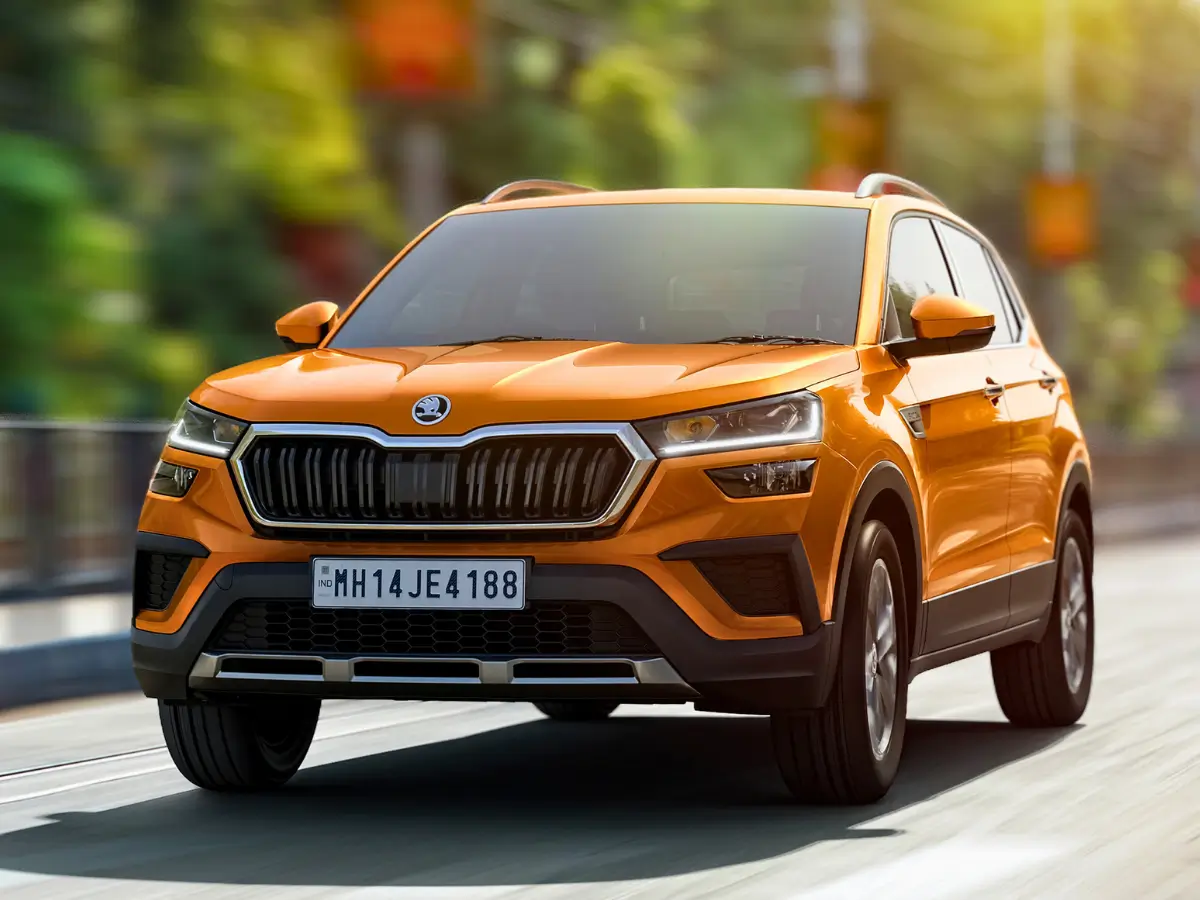
The 2026 Škoda Kushaq facelift is slated for January 2026 in India. Expect refreshed exteriors, added features like panoramic sunroof, Level-2 ADAS, and new gearbox options — all making it a strong rival to Hyundai Creta, Kia Seltos, Maruti Grand Vitara and others. Read full specs, expected price and feature breakdown here.
Why the 2026 Kushaq Matters
Since its India debut in 2021, the Škoda Kushaq carved a niche as a value-premium SUV with European DNA targeting the mid-size/compact-SUV segment. As competition intensifies with new entrants and feature-rich rivals, Škoda is ready with a mid-cycle refresh — the 2026 Kushaq facelift. With a likely launch in January 2026, the facelift aims to bring fresh design elements, upgraded features, and more tech, boosting its appeal to buyers looking for up-to-date comforts in the ~₹11–19 lakh segment.
This makes the facelift vital not just for existing Kushaq fans, but for anyone shopping for a new SUV in early 2026 — especially those comparing it with rivals such as Hyundai Creta, Kia Seltos, Maruti Grand Vitara / Maruti Victoris, and others.
2. Expected Launch Date & Price Estimate
- The facelifted Kushaq is widely expected to be launched in January 2026, likely in the second half of the month.
- Reported expected price range: ₹11.00 lakh – ₹19.00 lakh (ex-showroom, approximate) depending on trim and options.
This price-position keeps Kushaq facelift in direct competition with other mid-size/compact SUVs — aiming to offer a balance of European build, features, and value.
3. Design & Exterior Updates — Fresh Look for 2026
The 2026 facelift brings noticeable design updates aimed at modernizing the Kushaq’s appearance while retaining its familiar SUV silhouette:
- Revised front fascia: new radiator grille with slimmer, vertical slats, updated headlamp clusters, refreshed front bumper.
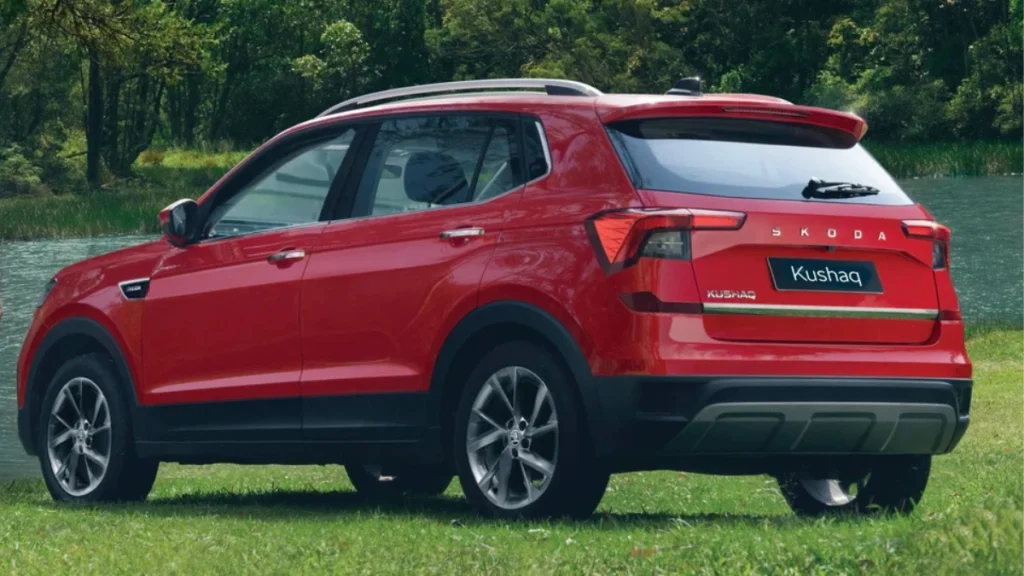
- Rear end updates: redesigned taillights (likely LED), updated tailgate & bumper.
- New alloy wheel design.
- Overall styling tweaks intended to give a more premium and contemporary look, making the facelifted Kushaq stand out in traffic and showroom floors.
These updates are enough to give the 2026 Kushaq a refreshed identity — subtle yet modern — rather than a radical redesign.
4. Interior, Comfort & Feature Upgrades
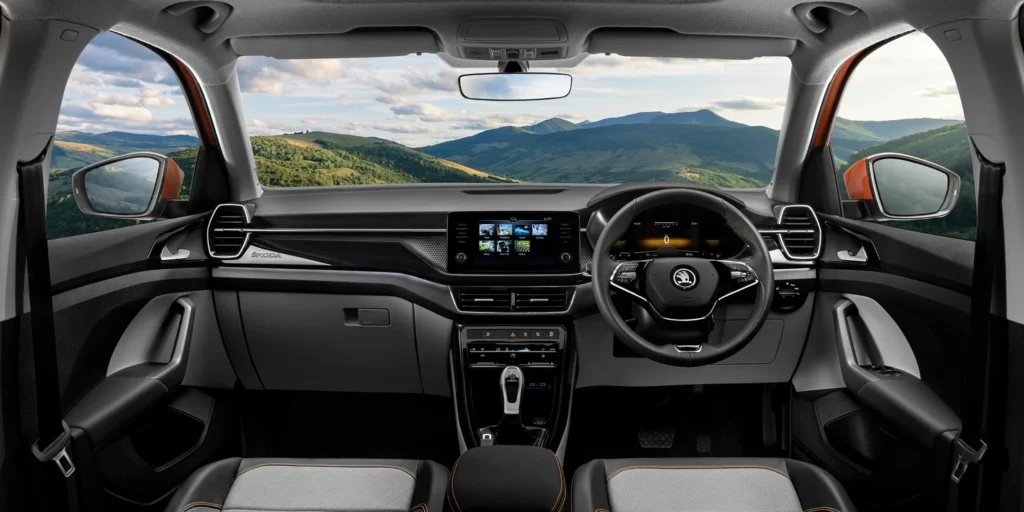
One of the biggest strengths of the facelift will be its updated cabin and added features, aiming to elevate Kushaq’s comfort, convenience, and technology offering. Expected upgrades include:
- Panoramic sunroof — a big addition that many rivals already offer.
- Improved infotainment & instrument cluster: likely a larger touchscreen, updated UI, new graphics on the digital cluster.
- 360-degree surround-view camera — helps with parking and manoeuvring in tight spots.
- Level-2 ADAS (Advanced Driver Assistance Systems) — possibly including lane-keep assist, adaptive cruise, emergency braking, blind-spot monitor etc. If equipped, this would make Kushaq one of the most feature-rich SUVs in its segment.
- Ventilated / electrically adjustable seats, enhanced AC / climate control setup, and refreshed upholstery or interior trims for a more premium feel.
Overall, the facelift looks designed to address past feedback — improving on comfort, convenience and tech — making the Kushaq not just practical, but more appealing for long drives, city commutes and family use.
5. Powertrain & Performance — Familiar but Reliable
Unlike a full redesign, the 2026 Kushaq facelift is expected to retain the same proven turbo-petrol engines that power the current model, ensuring reliability and familiar drive feel.
🔧 Expected Engine Options
- 1.0 L turbo-petrol (TSI) — typically around 115 PS, suitable for city and mixed use.
- 1.5 L turbo-petrol (TSI) — higher power and torque (currently ~148 PS / 250 Nm), good for highway, long drives and heavier load.
Transmission choices will likely continue as before — manual, and automatic (with possible gearbox improvements for smoother shifts), though the facelift might also bring gearbox refinements.
Given the strong build quality and efficient turbo-petrol engines, the facelifted Kushaq should continue to offer a balanced driving experience — adequate power, decent fuel efficiency (as per current spec), and a stable ride.
6. Segment Rivals — Who the Kushaq Will Challenge
With the 2026 refresh, Skoda aims to keep the Kushaq competitive in the mid-size / compact-SUV segment. Its main rivals include:
- Hyundai Creta
- Kia Seltos
- Maruti Grand Vitara / Maruti Victoris
- Toyota Urban Cruiser Hyryder
- Volkswagen Taigun (cousin to Kushaq)
- Other emerging SUVs and crossovers that combine features, price and brand appeal
The facelift helps Kushaq remain relevant by plugging feature/comfort gaps (sunroof, ADAS, camera, infotainment), which many rivals already offer or will offer soon. This refresh could help Škoda stand out — especially for buyers who value European build quality + modern features + mid-segment pricing.
7. Pros & Cons — Strengths vs What to Watch Out For
✅ Strengths & Key Advantages
- Proven turbo-petrol engines with good real-world performance and reliability.
- Refreshed styling (front/rear + wheels) — gives the facelifted model a newer, sharper look.
- Feature upgrades: panoramic sunroof, 360° camera, updated infotainment, possible Level-2 ADAS — making it more value-packed.
- Comfort & convenience — better cabin experience, more premium feel and modern amenities.
- Competitive pricing — expected ₹11–19 lakh bracket gives good value against rivals, especially for feature-loaded trims.
⚠️ Potential Trade-offs / What to Check
- No confirmation of diesel engine — may deter buyers who prefer diesel for torque/fuel economy (though turbo-petrol is often preferred now).
- If top features (sunroof, ADAS, camera, etc.) are limited to high-end trims — mid-level variants might still lag behind rivals.
- Real-world fuel efficiency, cost of maintenance & after-sales support — these matter a lot for long-term ownership.
- Segment competition remains intense — other brands might offer similar or better features, service network, resale value.
8. FAQs
Q1: When will 2026 Skoda Kushaq facelift launch in India?
A: Expected in January 2026, likely second half of the month.
Q2: What will be its expected price range?
A: Around ₹11.00 lakh to ₹19.00 lakh (ex-showroom) depending on variant and features.
Q3: What new features will the facelift bring?
A: Likely panoramic sunroof, 360° surround-view camera, upgraded infotainment & digital cluster, updated styling, possibly Level-2 ADAS (lane-keep assist, adaptive cruise, etc.).
Q4: Will the engines change?
A: No major changes expected; the facelift will continue with the existing turbo-petrol engines — 1.0 L TSI and 1.5 L TSI.
Q5: Who are the main competitors to Kushaq facelift?
A: Hyundai Creta, Kia Seltos, Maruti Grand Vitara / Victoris, Toyota Urban Cruiser Hyryder, Volkswagen Taigun, and other compact/mid-size SUVs in 11–20 lakh price band.
9. Verdict — Should You Wait for the 2026 Kushaq Facelift?
If you’re in the market for a compact-to-mid-size SUV in early 2026, and you value a mix of modern features, reliable turbo-petrol performance, and a European-style build, the 2026 Škoda Kushaq facelift is absolutely worth waiting for. The upgrades — from exterior refresh, comfort features, to possible ADAS and tech enhancements — give it a stronger value proposition than the existing model.
However, if you prioritize diesel engines, maximum fuel economy, or want proven long-term resale/service network, you might also consider alternatives or wait for real-world reviews once the facelift hits the roads.
For many buyers, though, the facelifted Kushaq represents one of the best-balanced SUVs in its segment — especially if you opt for a feature-loaded trim.