Indian carmakers are planning up to 40% production capacity expansion after GST 2.0 tax cuts. Learn how Maruti, Tata, and Hyundai are preparing for India’s largest automotive growth wave.
Why Indian Carmakers Are Increasing Production Capacity
The Indian automobile industry is entering one of the most transformative phases in history. After the rollout of GST 2.0, prices for hatchbacks, SUVs, EVs, and mid-size cars dropped significantly. As a result, sales have surged, pushing Indian carmakers production capacity to its limits.
Companies like Maruti Suzuki, Tata Motors, and Hyundai Motor India are now planning to increase manufacturing output by 20% to 40% over the next 12 months.
This move is driven by skyrocketing demand, new tax reforms, expanding EV adoption, and export opportunities.
How GST 2.0 Triggered a Demand Boom in Indian Carmakers Production Capacity
The new GST structure has lowered taxes on:
-
Small cars
-
Mid-size cars
-
Hybrid vehicles
-
Electric vehicles
-
Auto components
This led to price drops between ₹25,000 to ₹1.5 lakh.
Naturally, customers rushed back to showrooms.
Key Reasons for the Production Push
-
Middle-class buying revival
-
Strong rural income post good monsoon
-
SUVs capturing 50% market share
-
High EV interest due to lower GST
-
Improved financing + lower EMIs
This has created an urgent need for higher Indian carmakers production capacity.
Maruti Suzuki Plans a 30% Boost in Indian Carmakers Production Capacity
Maruti Suzuki is preparing its biggest expansion in a decade.
H3: What Maruti Is Doing
-
Increasing shifts in Gurgaon & Manesar
-
Building new facility in Haryana
-
Adding battery plants for EVs
-
Scaling up Swift, Brezza & Fronx production
-
Increasing vendor sourcing capacity
Tata Motors to Expand Production by 40%
Tata Motors is India’s EV leader with 70% market share.
Their capacity expansion focuses on:
Tata’s Expansion Strategy
-
Boosting Nexon EV & Punch EV output
-
Building large EV-only factories
-
Expanding battery localization
-
Launching Curvv & Sierra EV
-
Increasing SUV production for exports
Tata’s aggressive EV push is a core driver of increased Indian carmakers production capacity.
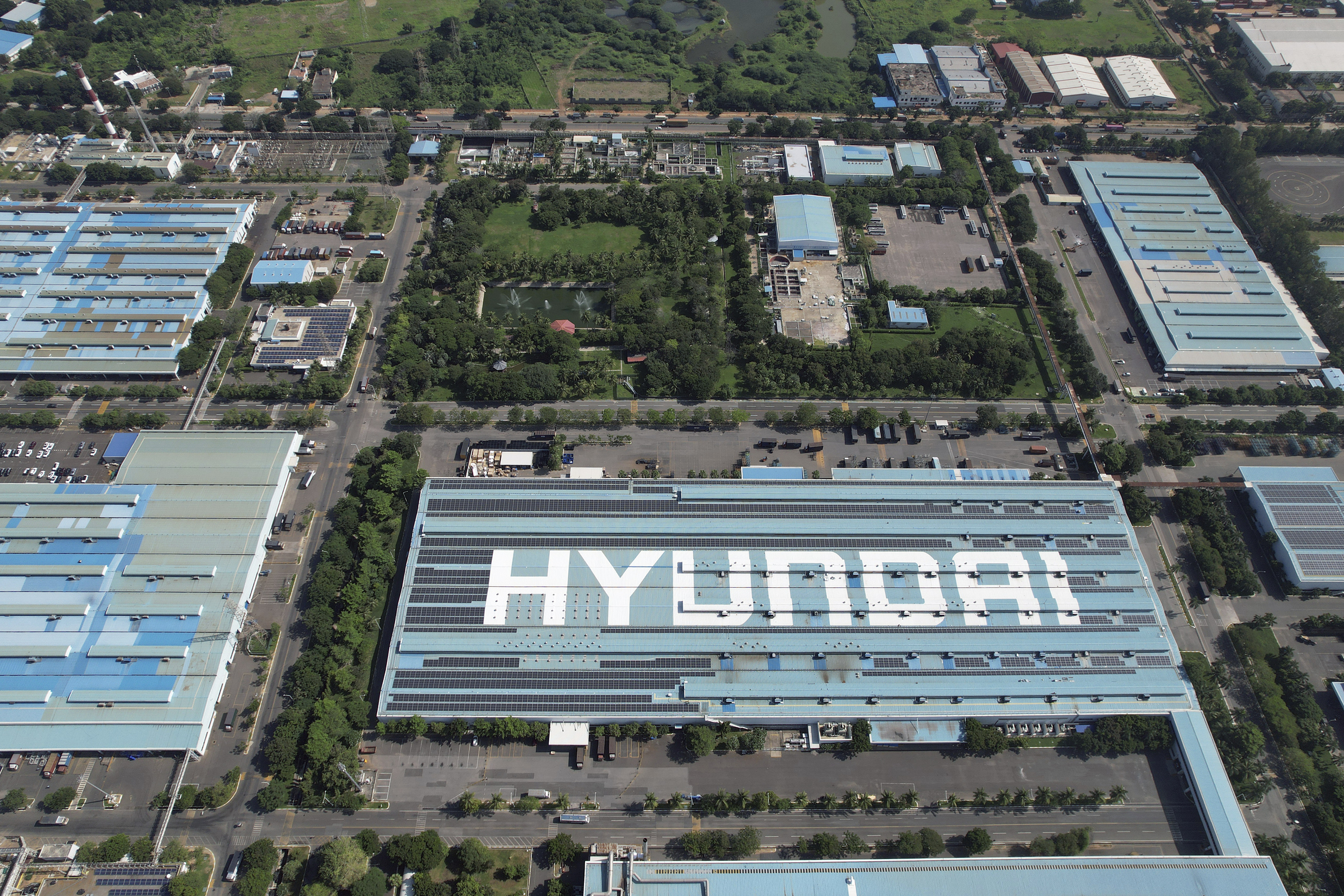
Hyundai Motor India Also Plans 20–25% Expansion
Hyundai is strengthening its No.2 position.
Key Focus Areas
-
Upgrading Chennai factory
-
Launching made-in-India EVs
-
Enhancing Creta, Venue, Alcazar lines
-
Strong vendor ecosystem with Kia
Auto Component Industry Also Scaling Up
The component sector is increasing production of:
-
Engines & transmissions
-
Steering & suspension
-
Infotainment systems
-
Lithium-ion batteries
-
EV motors & controllers
This is necessary to support the rising Indian carmakers production capacity.
Conclusion — India’s Auto Industry Is Entering a Golden Phase
India is becoming the world’s third-largest car market.
With GST cuts, EV adoption, and expanding factories, the next 5 years will define the future of mobility.
Indian carmakers are preparing for:
-
Higher exports
-
Electric vehicle dominance
-
Lower manufacturing costs
-
Stronger localization
The rise of Indian carmakers production capacity marks the beginning of a massive growth cycle
.
🔗 External DoFollow Links