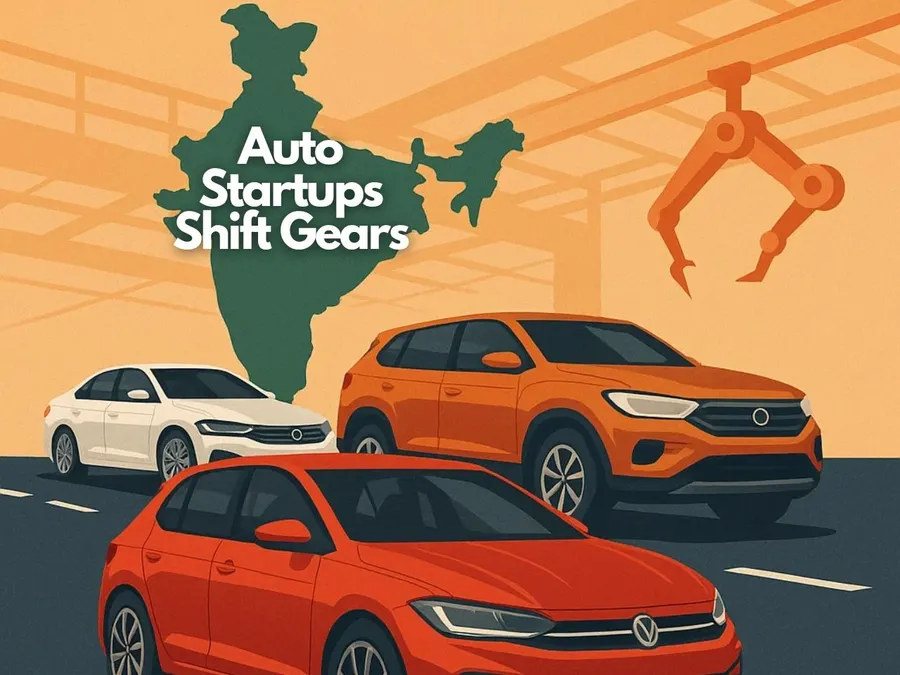
India’s proposed CAFE 3 norms have sparked intense debate among automakers like Maruti Suzuki and Mahindra. This article explores how the new fuel efficiency regulations may reshape pricing, small car demand, and India’s EV strategy.
A New Policy Flashpoint in the Auto Sector
The Indian automotive industry is in the middle of one of its most significant regulatory confrontations. The government’s proposal to implement CAFE 3 norms—short for Corporate Average Fuel Efficiency norms—has ignited a fierce debate between policymakers and automakers. While the government positions these standards as essential for cleaner air and reduced emissions, manufacturers argue that compliance will increase car prices, disrupt small-car economics, and complicate EV transition strategies.
The CAFE 3 norms are not simply a technical requirement; they represent India’s next major step toward sustainable mobility. However, the path is riddled with conflicting agendas, affordability challenges, and industry realities that cannot be ignored.
What Are CAFE 3 Norms?
To understand the tension, we must first decode the regulation. CAFE norms exist to ensure that automakers produce vehicles that meet average fuel efficiency benchmarks based on their entire fleet. The CAFE 3 norms—scheduled for implementation over the next phase—are far stricter than previous versions.
Core Objectives
- Reduce vehicular emissions
- Improve fleet fuel efficiency
- Encourage adoption of electric and hybrid vehicles
- Position India for 2030 carbon reduction targets
But the problem lies not in intention — it is in execution, timelines, and real-world feasibility.
Why Automakers Oppose CAFE 3 Norms
1. Price Shock for Small Cars
Small cars are the backbone of India’s automobile market. They account for entry-level buyers, students, and middle-class families. Automakers such as Maruti Suzuki, who dominate this price-sensitive segment, argue that achieving CAFE 3 compliance requires:
- Advanced engine upgrades
- Lightweight materials
- Electrified powertrain integration
- Additional R&D investment
These enhancements inevitably raise production costs. Maruti warns that such norms may kill the small car segment, because customers simply cannot pay premium prices.
2. EV Policy Collision
India wants rapid EV adoption. However, CAFE 3 norms create a Catch-22 situation:
- The norms push OEMs toward costly electrification
- The government subsidies for EVs are not yet stable
- Charging infrastructure remains insufficient
- Battery imports raise costs
Automakers fear that while norms demand EV readiness, market maturity is still years away.
3. Technological Strain
Meeting stringent fuel efficiency regulations requires significant investment in:
- Light weighting
- Turbocharging
- Advanced combustion
- Hybrid systems
This forces OEMs to divert funds away from innovation, exports, and diversification. Smaller manufacturers may not survive the transition.
Government’s Stand: Pollution is Non-Negotiable
The government argues that India cannot afford to weaken environmental standards. Cities like Delhi, Bengaluru and Mumbai frequently record hazardous AQI levels, and vehicular emissions are a major contributor.
From the administration’s perspective, CAFE 3 norms:
- Align India with global emission benchmarks
- Attract foreign investment and technology
- Force OEMs to innovate sustainably
- Prepare Indian roads for mass EV integration
The message is clear: economic comfort cannot override environmental responsibility.
Impact on the Auto Market if CAFE 3 Norms Go Ahead
⚡ Shift Toward Electric and Hybrid Vehicles
OEMs may fast-track EV variants just to meet corporate average targets. This could flood the market with costlier EVs before consumers are ready.
💰 Small Car Decline
With production costs rising, small cars may lose affordability—shrinking India’s largest automotive demographic.
🚗 Consolidation of OEMs
Brands unable to comply may:
- Exit India
- Merge with stronger OEMs
- Reduce product portfolio
This reshapes competition and pricing.
Are CAFE 3 Norms the Real Enemy?
Not necessarily.
Most experts agree that stricter norms are inevitable. The real issues are:
- Implementation speed
- Cost burden distribution
- Infrastructure gaps
A phased approach may solve the conflict without destabilizing the industry.
Global Context: How India Compares
Countries like Japan, South Korea and the EU adopted CAFE-style regulations years ago. However, they had:
- Better public transport networks
- Strong green infrastructure
- Stable EV adoption cycles
India, by contrast, is playing policy catch-up while the market is still evolving.
Consumer POV: Should Buyers Worry?
If CAFE 3 norms roll out as proposed, expect:
| Segment | Price Impact |
|---|---|
| Entry-Level Small Cars | Increase |
| Compact SUVs | Moderate rise |
| EVs | High initial cost but subsidies possible |
But in the long run, consumers benefit from:
- Better mileage
- Cleaner air
- More efficient engines
Conclusion: The Road Ahead
The clash over CAFE 3 norms represents a deeper question:
Can India balance affordability and sustainability without crushing its automotive backbone?
The answer will define:
- The future of India’s fuel-efficient mobility
- The survival of small cars
- India’s transition into a green automotive nation
For now, both regulators and automakers must acknowledge each other’s realities — because India cannot afford a mobility revolution that leaves consumers behind.