


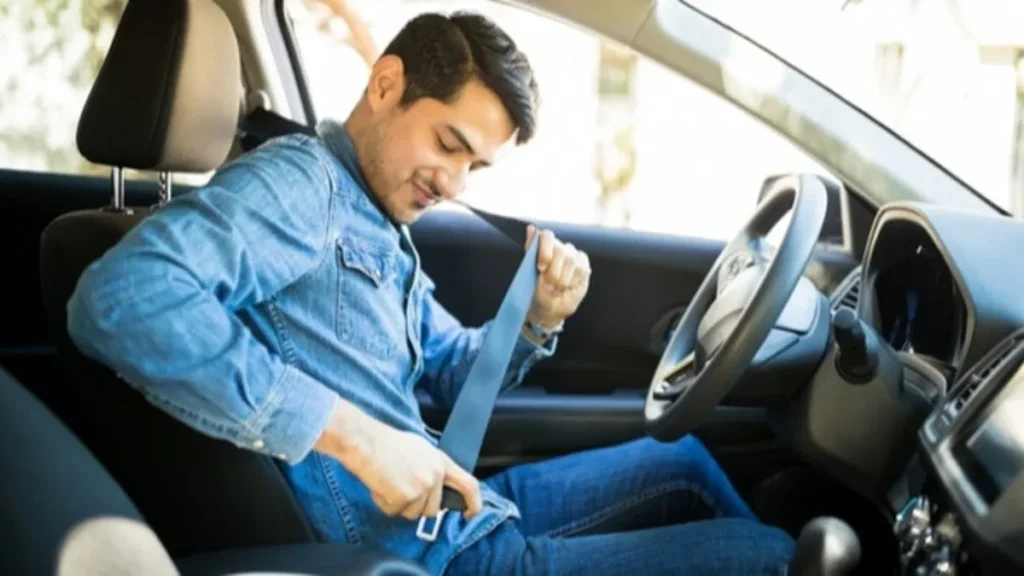
Car safety technology in India 2025 is reshaping automotive buying decisions. From ADAS to crash ratings and airbag innovations, Indian consumers now prioritise safety over mileage and style.

For decades, India was known as a mileage-obsessed automobile market. Buyers asked one question before anything else: “Kitna deti hai?” (What mileage does it give?). But the automotive landscape of 2025 has undergone a seismic shift. Today, the most important question dominating the market is:
“Is the car safe?”
Rising awareness, social media influence, stricter crash regulations, and brands like Tata Motors and Mahindrapushing the safety narrative have made car safety technology in India the biggest decision-making factor for new car buyers. Safety is no longer an optional extra — it is a brand identity.
Car Safety Awareness: A Cultural Shift
India was once home to some of the least safe cars in the world, with zero-star Global NCAP ratings and cost-driven compromises. However, the narrative changed drastically due to:
🔹 Increasing Road Accident Statistics
India records over 4.3 lakh accidents per year, making safety a necessity, not a luxury.
🔹 Viral Crash Test Reports
Platforms like Global NCAP made crash ratings popular knowledge, publicly exposing unsafe models.
🔹 Shift in Consumer Mindset
Young buyers demand:
- Strong build quality
- Structural integrity
- Active & passive safety features
Mileage no longer wins — confidence does.
The Rise of 5-Star Safety Brands
Two Indian brands changed the safety landscape:
1️⃣ Tata Motors
Models like Nexon, Punch, Harrier and Safari pushed “safety-first branding” into mainstream consciousness.
2️⃣ Mahindra
XUV700 and Scorpio-N reinforced that Indian-built SUVs are not only rugged — they are globally benchmarked.
Customers now trust Indian engineering for safety more than ever before.
Key Safety Technologies Dominating the Indian Car Market in 2025
1️⃣ ADAS — Advanced Driver Assistance System
ADAS is now available in cars priced under ₹15 lakh — a milestone previously seen only in premium vehicles.
Features include:
- Lane keep assist
- Adaptive cruise control
- Auto emergency braking
- Blind spot monitoring
- Forward collision warning
ADAS has turned ordinary cars into smart guardians.
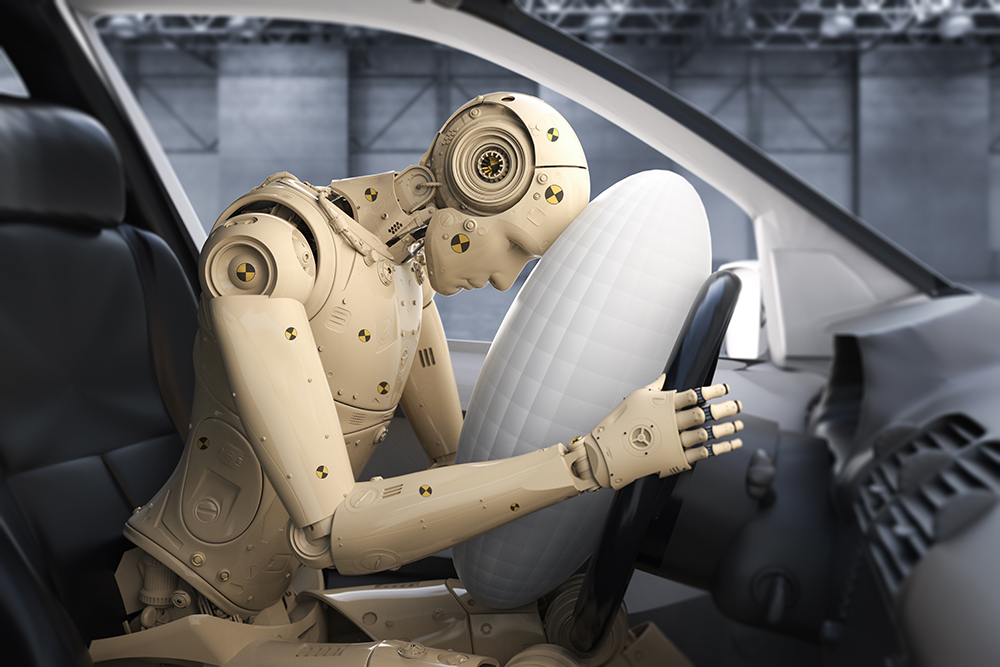
2️⃣ Multiple Airbags as Standard
Once considered a premium accessory, 6 airbags are becoming the national standard. Hyundai, Kia, and Maruti Suzuki are updating models to comply.
Airbags are now:
✔️ Mandatory in new homologations
✔️ Key selling points in showrooms
3️⃣ Electronic Stability Control (ESC)
ESC prevents skidding — essential on Indian roads where:
- Sudden obstacles appear
- Weather conditions vary
- Road surfaces are inconsistent
Mandatory ESC implementation will dramatically cut highway fatalities.
4️⃣ 360° Camera & Parking Aids
With urban congestion rising, parking-assist cameras and sensors are standard, even in compact cars.
They solve:
- Blind spots
- Tight city parking
- Reversing accidents
5️⃣ Connected Car Safety
Safety goes digital with:
- SOS emergency calls
- Geo-fencing
- Real-time accident alerts
Your car can now call for help before you speak.
Impact of Crash Ratings on Buying Behavior
Earlier, buyers ignored technical specifications. Now:
- A 5-star crash rating sells more cars than sunroofs
- Agencies like Global NCAP influence customer perception
- Social media amplifies crash videos and owner experiences
Cars like the Tata Nexon turned safety into identity, proving:
Safety is not an expense — it is a value proposition
The Government’s Role in Safety Transformation
Policies pushing car safety technology in India include:
- Bharat NCAP framework
- Mandatory ABS + airbags
- Phase-wise ADAS integration roadmap
- EV safety regulations for battery thermal management
The government wants India to move from most unsafe to safest developing automotive nation.
Electric Cars = Safety Redefined
EV safety is not only about structure — it includes:
- Battery fire protection
- Thermal runaway sensors
- Smart BMS (Battery Management System)
Brands like Tata, BYD and Hyundai are investing heavily in EV crashworthiness.
Future of Automotive Safety in India
Expect the next wave to include:
🚗 Autonomous Driving Integration
Cars will start making decisions in real-time.
📡 Vehicle-to-Everything (V2X) Communication
Vehicles will talk to traffic signals, road sensors, and even pedestrians.
🔋 AI Crash Prediction Systems
Cars will anticipate accidents before they occur.
Safety is becoming predictive, not reactive.
Conclusion
The transformation of car safety technology in India marks a monumental cultural, industrial, and emotional evolution. The Indian consumer now values:
✔️ Confidence on highways
✔️ Protection for family
✔️ Trust in engineering
Mileage may save money, but safety saves lives — and modern India has finally understood the difference.
The future of car buying in India is not about horsepower or chrome — it is about technology, intelligence, and survival. Safety is no longer a premium — it is the new normal.