


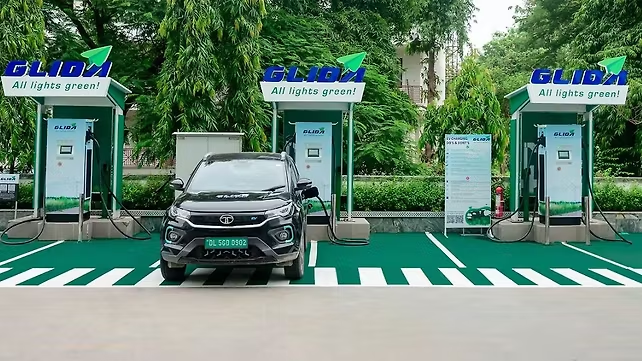
Major car brands are rapidly increasing EV production capacity in India. Discover how this shift will impact prices, choices, and the future of mobility for Indian buyers.
For a long time, electric vehicles (EVs) in India felt like a side project—something futuristic, expensive, and limited to a few early adopters in big cities. But 2025 looks different. The headlines are no longer just about “new EV launches” but about factories, production capacity, and large-scale investment.
When big automakers start expanding production lines, it’s a clear sign of where the future is headed. Rising EV production capacity isn’t just a technical development; it’s a structural shift in India’s automobile sector. In this article, we’ll break down what this means for the market, car prices, and for you as a buyer.

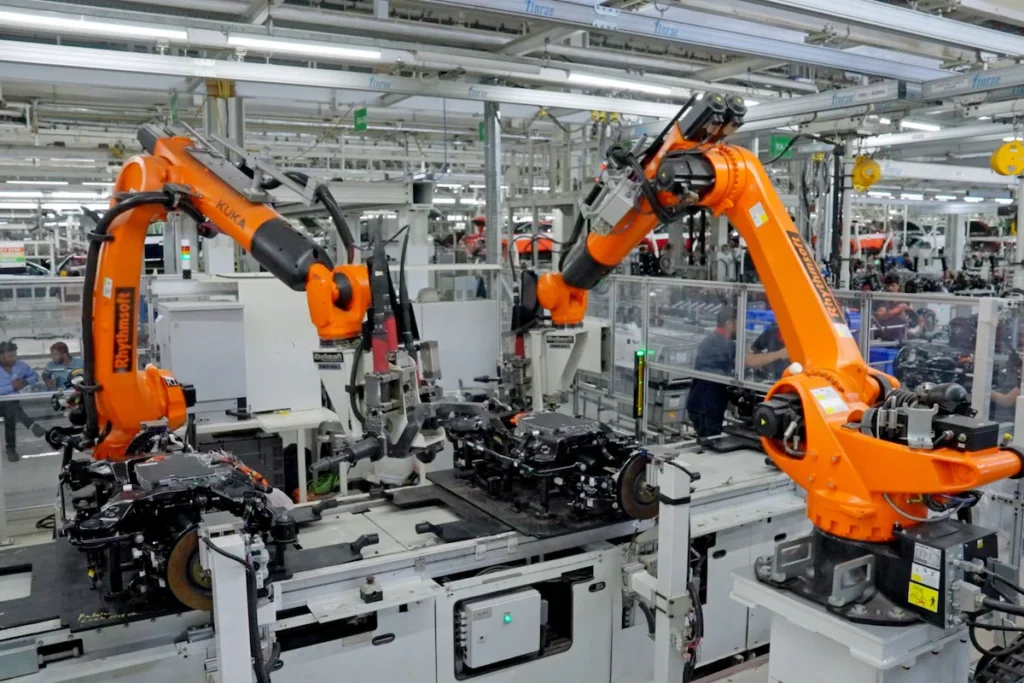
Why EV Production Capacity Matters More Than Just New Models
Most people focus on EV launches — new SUVs, crossovers, or hatchbacks. But the real transformation happens behind the scenes:
- In factories where new EV lines are installed
- In battery plants expanding capacity
- In supplier networks adapting to electric components
When brands invest heavily in EV-focused infrastructure, they’re not experimenting anymore. They’re committing.
From Limited Volumes to Mass Production
Initially, many EVs were produced in low volumes, often imported or assembled in small batches. That kept:
- Prices higher
- Waiting periods longer
- Service and parts limited
Now, brands are targeting thousands of EVs per month, not hundreds. This shift from “niche” to “mass” is what will finally make EVs feel as normal as petrol and diesel cars.

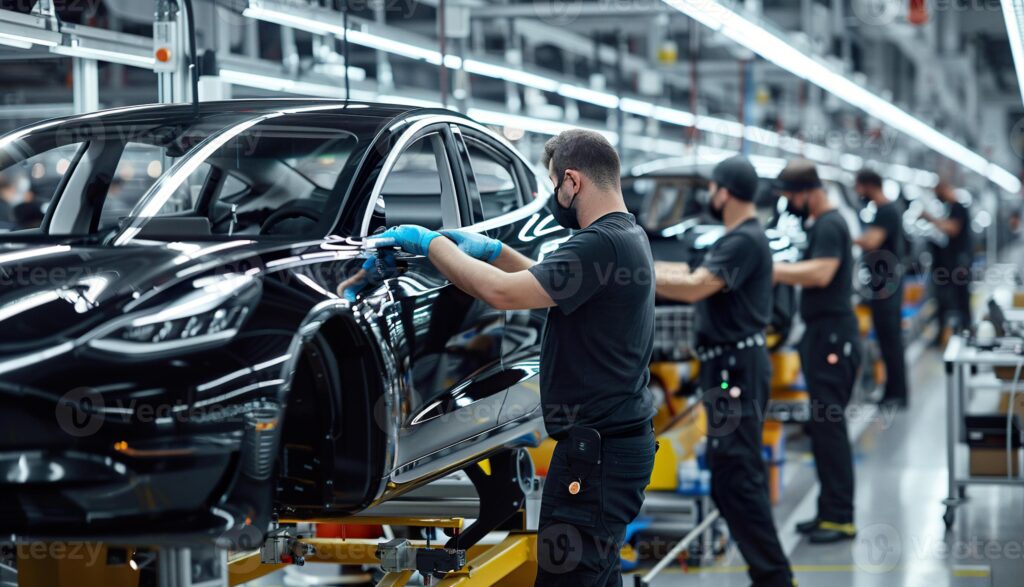
How Rising EV Capacity Will Impact Prices
One of the biggest barriers to EV adoption in India is price. EVs are often costlier than similar ICE (internal combustion engine) cars. Increasing production capacity can help change this over time.
Economies of Scale
When a company produces more units:
- The cost per vehicle tends to go down
- Battery procurement, electronics, and components can be negotiated at better rates
- R&D and setup costs get spread across more vehicles
This doesn’t mean EVs will instantly become “cheap”, but it does mean:
- Better features at the same price
- More competitive pricing against petrol/diesel rivals
- More discounts and offers as competition grows
Localisation of Components
Higher EV production also encourages:
- Localised battery assembly and, over time, cell production
- Local suppliers for motors, controllers, electronics
More local sourcing = lower import costs = better pricing for buyers in the medium to long term.
What This Means for EV Variety and Availability
Bigger capacity isn’t just about building more of the same car — it’s about introducing more body styles and price points.
You can expect:
- More SUVs, crossovers, and practical family EVs
- Different battery sizes for different budgets
- City-focused compact EVs and long-range highway-capable models
Earlier, customers had to adjust their needs to fit whatever EV was available. Now, slowly, the market is shifting toward EVs that fit specific user needs:
- Daily city commuters
- Family buyers wanting space and safety
- Premium users wanting performance and tech
Better After-Sales & Spare Parts Ecosystem
When EV volumes are low, service centres don’t invest heavily in:
- Special tools
- EV-trained technicians
- Stock of spare parts
Once volumes go up and EVs become a meaningful share of sales, brands are forced (in a good way) to create a robust after-sales ecosystem.
For you as a buyer, this means:
- Faster repair times
- Better trained EV technicians
- Higher confidence in owning an EV for 5–8 years
- Less fear around “what if something goes wrong?”
How This Shift Will Change Buyer Mindset
Today, many buyers still ask:
“Should I buy an EV or stick to petrol/diesel?”
In a few years, the question might change to:
“Which EV should I buy?”
Once:
- Production is strong
- Models are diverse
- Infrastructure grows
- Prices stabilise
EVs will feel less like an “experiment” and more like the default option in many metro and semi-urban markets.
Challenges That Still Remain
Of course, rising production capacity alone isn’t enough. There are still challenges:
- Charging infrastructure growth must match EV adoption
- Power grid stability and renewable energy integration
- Battery recycling and second-life usage
- Educating customers about EV ownership, charging, and maintenance
But the key point is: without rising production capacity, none of this could scale. Capacity is the backbone of any transformation.
Conclusion
Rising EV production capacity in India is more than just a technical update — it’s a signal of a long-term directional shift in the auto industry. It tells you where car companies are placing their bets for the next 5–10 years.
For you as a buyer, this means:
- More EV models
- Better pricing over time
- Improved service and parts ecosystem
- Higher confidence that EVs are here to stay
If you’re planning to buy a car in the coming years, it’s wise to keep an eye not only on new EV launches but also on which companies are expanding their EV capacity the fastest. Those are the brands most likely to support you strongly throughout the life of your EV.