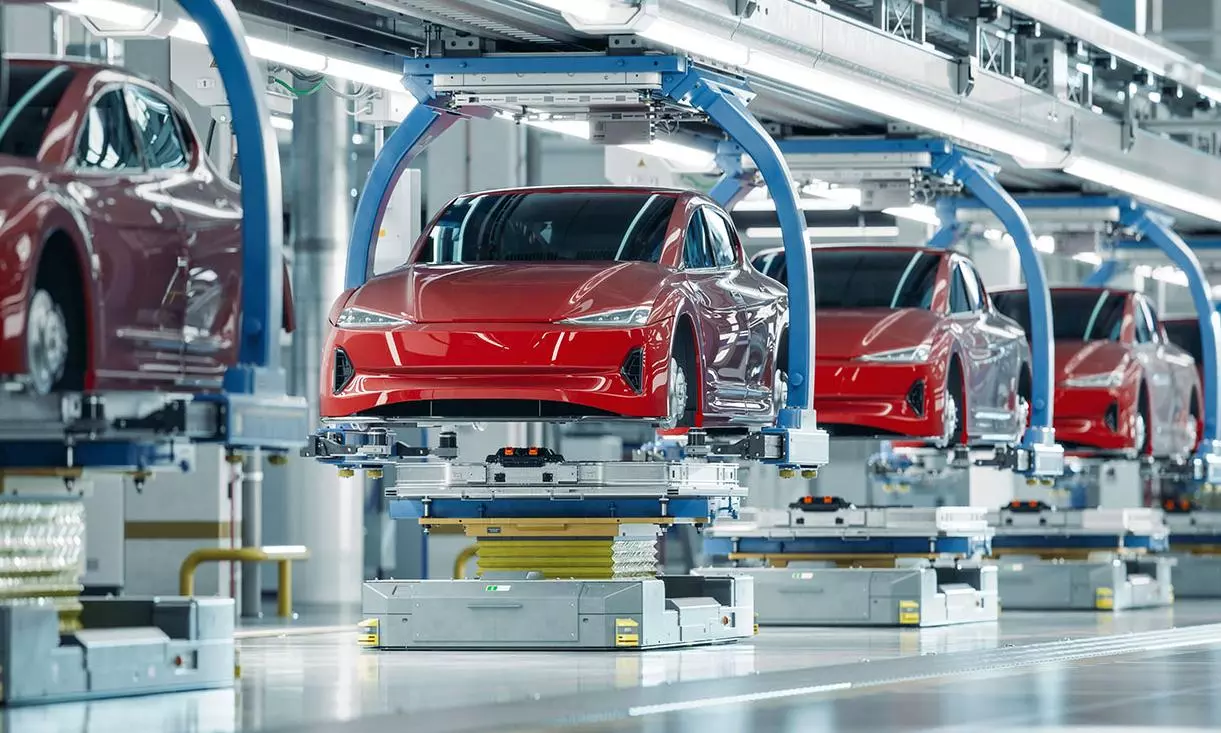
India automotive tech hub expansion accelerates in 2025 as global brands establish R&D, software engineering, and EV manufacturing centers in India to support global innovation.
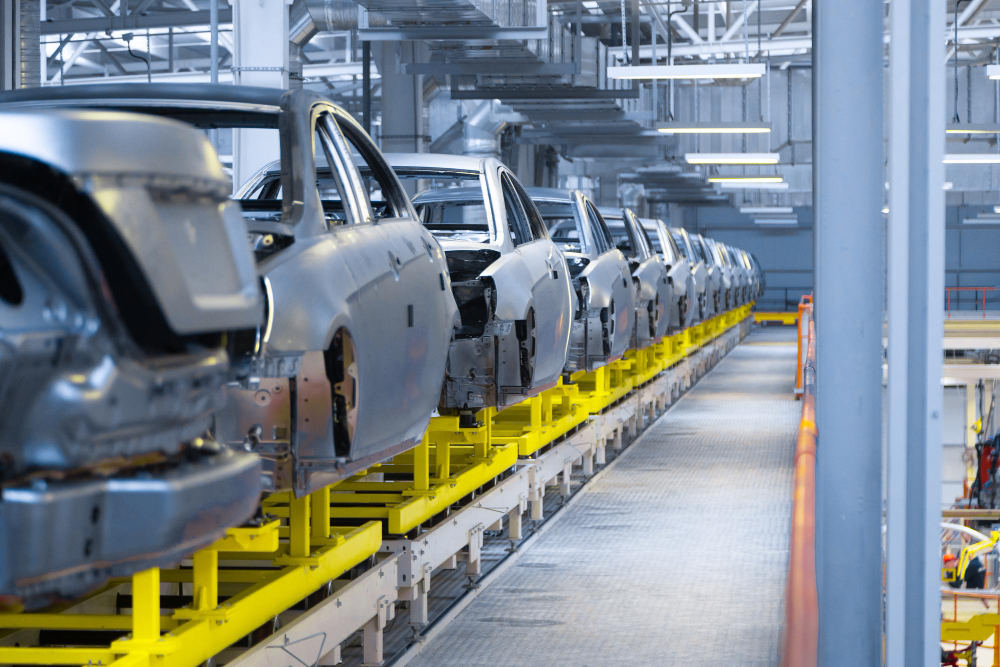
The global automotive landscape is changing faster than ever. While Europe and Japan once dominated engineering and innovation, the epicenter of automotive growth has now begun shifting east — and India has emerged as the world’s newest automotive technology powerhouse. In 2025, the India automotive tech hub expansion has transformed the country into a critical node for software development, electric vehicle engineering, digital mobility solutions, and next-generation automotive production.
Global groups—from Stellantis and Volkswagen to Hyundai, Toyota, Tata, and MG—now depend on India not only for manufacturing but increasingly for intelligence-led automotive innovation. India is no longer seen as just a low-cost production market; it is now the brain center powering autonomous driving algorithms, EV software stacks, battery management systems, and mobility platforms.
Why India Has Become the Global Automotive Tech Hub
1️⃣ Massive Software Talent Pool
India houses the world’s second-largest engineering workforce and dominates global software outsourcing. Automakers are now realizing:
The future car is not just a machine — it is a software-defined computer on wheels.
This shift requires skilled developers, cybersecurity experts, and AI engineers — all available in India at a scale unmatched anywhere else.
2️⃣ Competitive Operational Costs
A full-stack automotive engineering team in India costs nearly 40–60% less than equivalent teams in Europe or North America. For cost-sensitive EV programs, this advantage is priceless.
3️⃣ Government Push for EV & R&D Localization
Initiatives like:
- FAME-II (EV subsidies)
- PLI schemes for auto and battery manufacturing
- Digital India innovation framework
…have turned India into a playground for industrial experimentation.
Stellantis — The Bengaluru Effect
A core component of the India automotive tech hub expansion comes from Stellantis, owner of Jeep, Citroën, Dodge, and Maserati. Their Bengaluru software & digital engineering center powers major global vehicles.
Here, engineers develop:
- Connected car features
- OTA (over-the-air) updates
- Smart cockpit UI/UX
- EV battery management systems
This proves that India is no longer a backend center — it is co-creating the future of mobility.
India: From Assembly Unit to Export Headquarters
Earlier, global automakers viewed India as a final assembly base. That era is gone.
Now, Indian plants:
✔️ Build EVs for foreign markets
✔️ Manufacture powertrains for global OEMs
✔️ Export right-hand-drive cars to Africa, South Asia, and the Middle East
✔️ Develop global software architecture for autonomous and ADAS systems
With manufacturing scale and software dominance merging, India is becoming a dual-engine automotive power.
The Rise of Software-Defined Vehicles (SDVs)
Cars of 2025 and beyond are no longer judged by horsepower alone. Buyers expect:
- AI-powered driver assistance
- Connected navigation
- Predictive maintenance
- Cloud-synced features
- App-based digital cockpit control
India’s software industry is uniquely positioned to deliver these systems at scale.
This transition is turning OEMs into software-first companies, and India into their development headquarters.
Why Global Carmakers Trust India
✔️ Market Scale
India is the world’s 3rd largest automotive market. Testing tech here guarantees validation across:
- Heat variabilities
- Rural + urban terrain mixes
- Traffic complexities
✔️ Local EV Demand Growth
India’s rapid EV adoption signals readiness for:
- Battery R&D
- EV supply chain localization
- Charging infra companies
✔️ Talent Density
Every global mobility challenge—
- AI
- Cloud computing
- IoT
- Cybersecurity
—has an Indian solution.
Key Domains Where India Now Leads Globally
| Domain | India’s Role |
|---|---|
| EV Software | Battery management & motor control |
| Infotainment Systems | Custom UX/UI development |
| Autonomous Driving Support | AI training data + simulation |
| Connected Cars | Telematics & OTA updates |
| Mobility Platforms | Fleet management & ride-hailing |
This is not participation — it is leadership.
Future Roadmap: Where India Goes Next
1️⃣ Battery Gigafactories
Local cell production + recycling industries will emerge, reducing dependency on China.
2️⃣ Autonomous Driving Labs
Test zones in Pune, Chennai, and Bengaluru will shape driverless ecosystems.
3️⃣ India-Centric EV Platforms
Affordable EVs under ₹10 lakh will redefine mobility.
4️⃣ Global Tech Exports
India will start exporting software-first vehicles.
Challenges Still Ahead
Despite rapid expansion, India must address:
- Chip supply-chain instability
- Charging infra gaps outside metro cities
- High battery import duties
- Need for EV-specific safety standards
The country has momentum, but requires policy consistency.
Conclusion
The India automotive tech hub expansion is no longer an idea — it is a global phenomenon. India is now:
✔️ The software brain of global carmakers
✔️ A manufacturing muscle for EVs and ICE vehicles
✔️ A testbed for future mobility
As the world transitions to electric and autonomous mobility, one fact becomes clear:
The future of the global automobile isn’t being built in Detroit or Tokyo — it’s being coded, engineered, and assembled in India.