


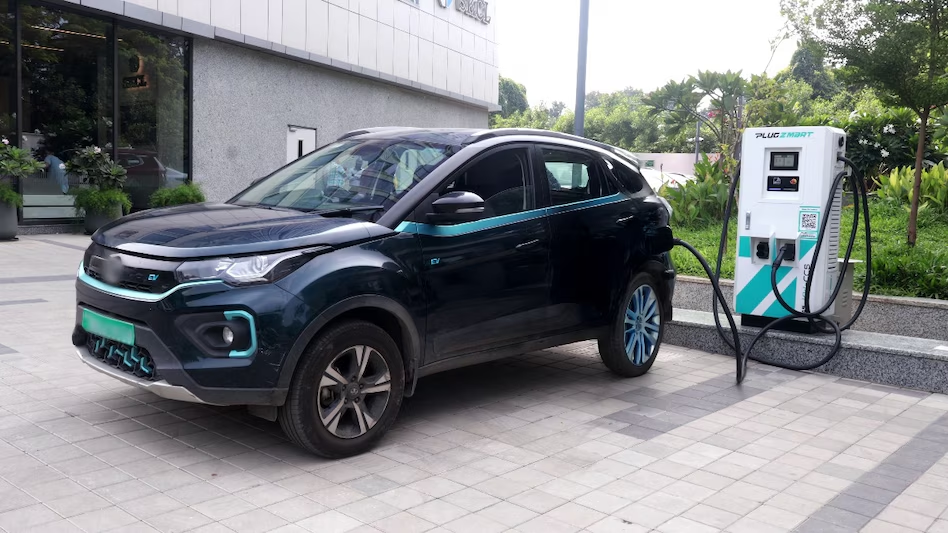
India’s Electric Vehicle sector is experiencing unprecedented growth in 2025, with rising deliveries, expanding production capacity, and major players like Ola, VinFast, and Maruti strengthening the EV landscape. However, infrastructure challenges and policy complexities remain.

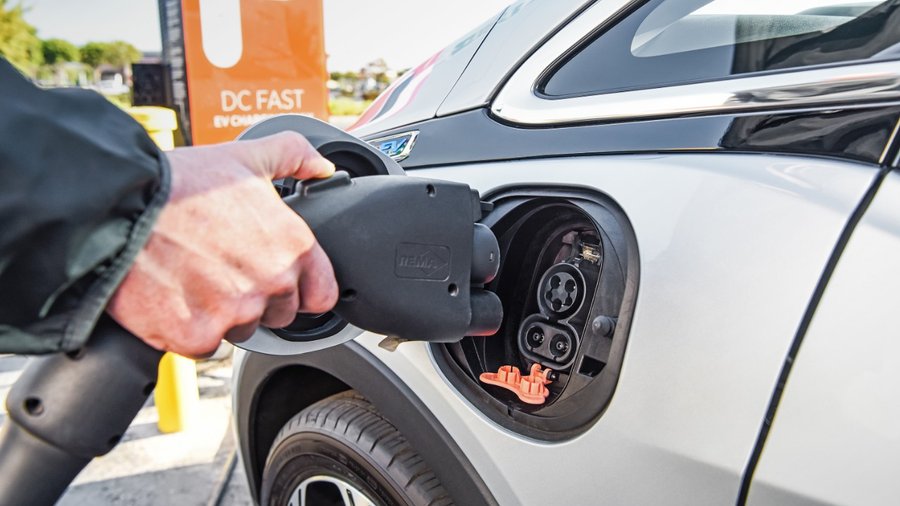
EV Adoption Hits New Milestones
The Indian automotive landscape is undergoing a historic shift as the electric vehicle sector accelerates at never-before-seen speed. What began as an experimental niche a few years ago is now turning into mainstream consumer demand, reshaping how Indians view mobility. The India EV market growth in 2025 is being driven by a combination of:
- Record EV deliveries
- Lower running costs than petrol/diesel cars
- Policy incentives and tax cuts
- Rising fuel prices
- Growing environmental awareness
From scooters to SUVs, the EV wave has moved far beyond urban curiosity — it has entered mass adoption mode.
EV Sales Momentum: Not a Trend, But a Transition
In 2025, EV sales are projected to cross new record thresholds in India. The sector is no longer dependent on early adopters; families, commuters, and fleet operators are all contributing to EV demand. The three biggest contributors to this surge are:
1️⃣ Ola Electric S1 Pro Deliveries
Ola’s aggressive pricing, subscription ecosystem, and wide service network are helping electric scooters become first-choice personal vehicles for millions.
2️⃣ VinFast’s Expansion Plans
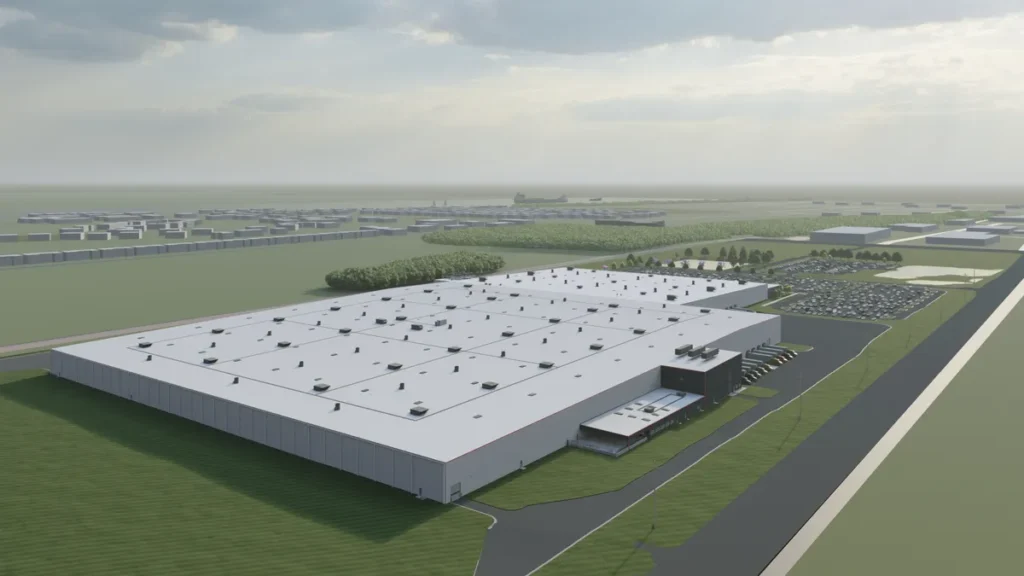
VinFast, the Vietnamese EV giant, is investing heavily in Indian manufacturing infrastructure, including large-scale production units that will ship EVs both domestically and internationally.
3️⃣ Maruti’s e-Vitara Effect
The Maruti e-Vitara has changed public perception. If India’s largest carmaker commits to electric, consumers assume the EV future is both inevitable and reliable.
EV Factory Expansion

Why Electric Vehicles Are Winning in India
India’s EV market isn’t growing by chance — it is winning because it solves fundamental buyer pain points.
| Benefit | Why It Matters |
|---|---|
| Fuel Cost Savings | Running an EV costs 70–80% less than petrol/diesel |
| Lower Maintenance | Fewer moving parts = no oil change, fewer repairs |
| Silent, smoother experience | Ideal for congested cities |
| Government incentives | Subsidies, GST reduction, registration discounts |
| Eco-friendly mobility | Rising concern over air quality |
Additionally, young buyers see EVs as technology products rather than mere transportation.
The Bigger Players in the 2025 EV Revolution
| Company | Contribution |
|---|---|
| Ola Electric | Bringing EVs to the youth market, affordable scooters |
| VinFast | Investing in production-scale manufacturing hubs |
| Maruti Suzuki | Making EVs mainstream with e-Vitara |
| Tata Motors | Massive lead in compact EV segment |
| MG, Hyundai, BYD | Strengthening premium EV presence |
Tata Motors alone controls over 70% of India’s electric car market, giving it an early-mover advantage similar to smartphone brands like Xiaomi in 2015.
The Challenges Slowing EV Adoption
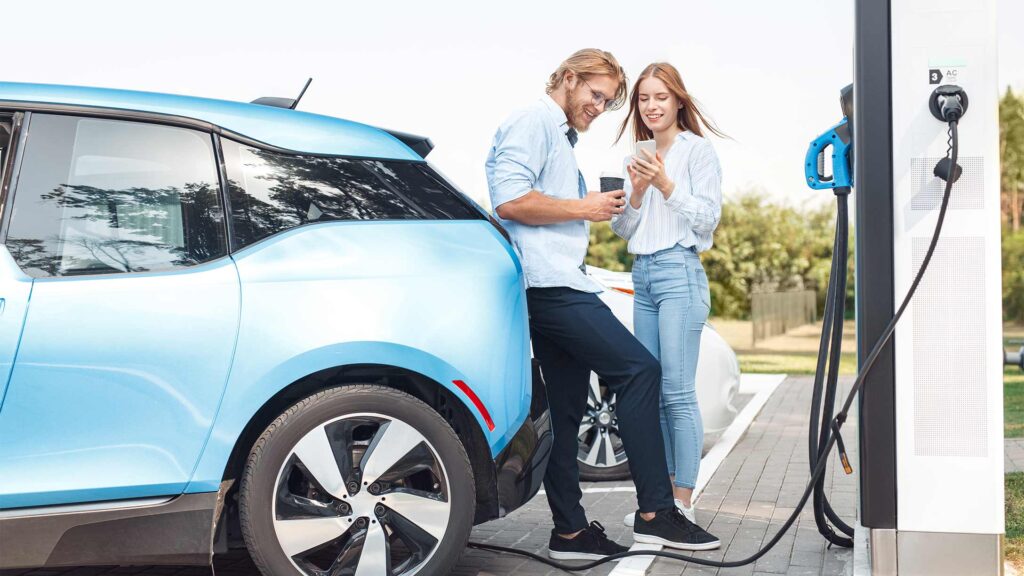
Despite rapid India EV market growth in 2025, the sector faces friction points that must be addressed:
⚡ Charging Infrastructure Gaps
Most consumers still ask the biggest question:
“Where will I charge my EV?”
Public charging networks are improving, but not fast enough for:
- Highways
- Tier-2 and tier-3 cities
- Rural areas
🔋 Battery Range & Degradation
Real-world range differs from brochure claims due to:
- Heat
- Load
- Driving style
- Terrain
Battery replacement costs also discourage resale confidence.
🧾 Policy Confusion
Incentive policies vary state to state:
- Some states charge lower EV road tax
- Others lack charging subsidies
- Import duty debates confuse OEM strategies
Uniform national EV policy is overdue.
💸 Upfront Cost
Even though running an EV is cheap, many buyers cannot afford:
- ₹12–20 lakh electric SUVs
- Premium electric scooters
EVs are still aspirational for mass India.
Where India’s EV Market Goes From Here
The next 3–5 years will determine leadership. Whichever company cracks:
- Battery cost reduction
- Nationwide charging
- Reliable range above 400 km
- Fast service network
… will own the largest mobility transformation in Indian history.
EV Adoption Will Explode When
✔️ Prices equal petrol cars
✔️ 15–20 minute fast charging becomes common
✔️ 2nd-hand EV market stabilizes
✔️ Rural mobility adapts to EV infrastructure
At that stage, India will not just adopt EVs — it will mass electrify transportation.
Opportunity Zones For 2026 and Beyond
The largest EV potential lies in:
- Fleet Vehicles (taxis, delivery vans)
- Two-wheelers (India’s biggest vehicle category)
- Affordable EV SUVs
- Battery leasing & swapping models
- Green financing
Expect startups and global giants to fight for these spaces.
Conclusion: EVs Are Not the Future — They Are the Present
The India EV market growth in 2025 proves that electrification is not a trend — it is a megashift. With Ola scaling deliveries, VinFast building local presence, and Maruti joining the EV race, the industry has reached irreversible momentum.
Challenges exist, yes — but every technological revolution begins with bottlenecks. What matters is this:
India has already stepped into all-electric mobility.
The question is no longer if India will embrace EVs —
it is how quickly and who will lead that journey.