


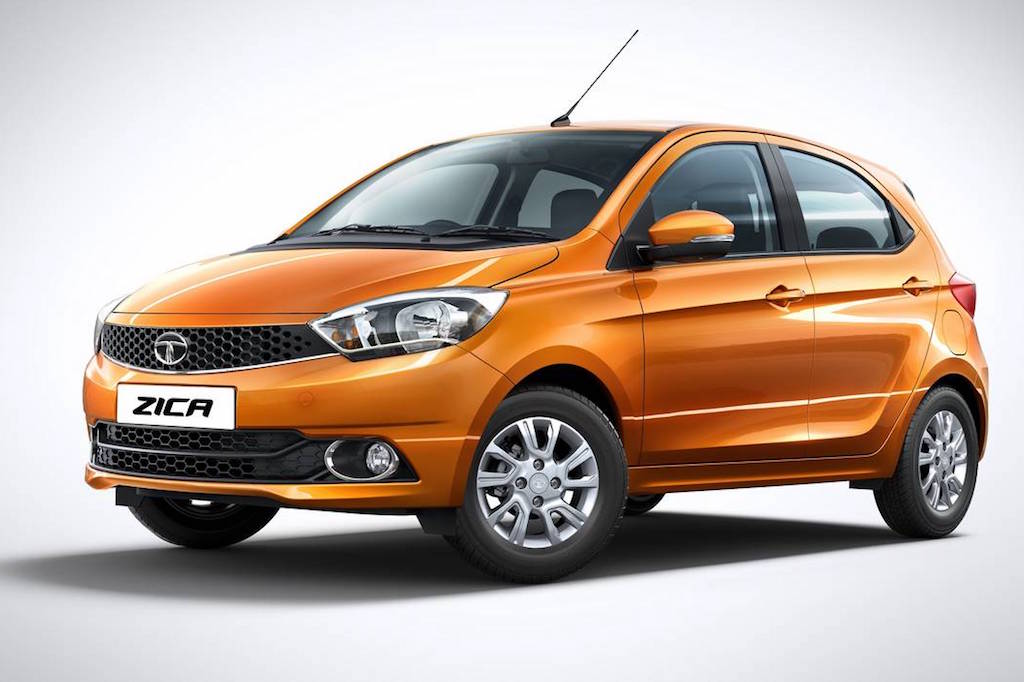
The legacy car name revival trend in India is gaining momentum as brands like Tata revive classics such as the Sierra. Here’s why automakers are reviving old nameplates and how nostalgia-driven branding impacts vehicle sales in 2025.

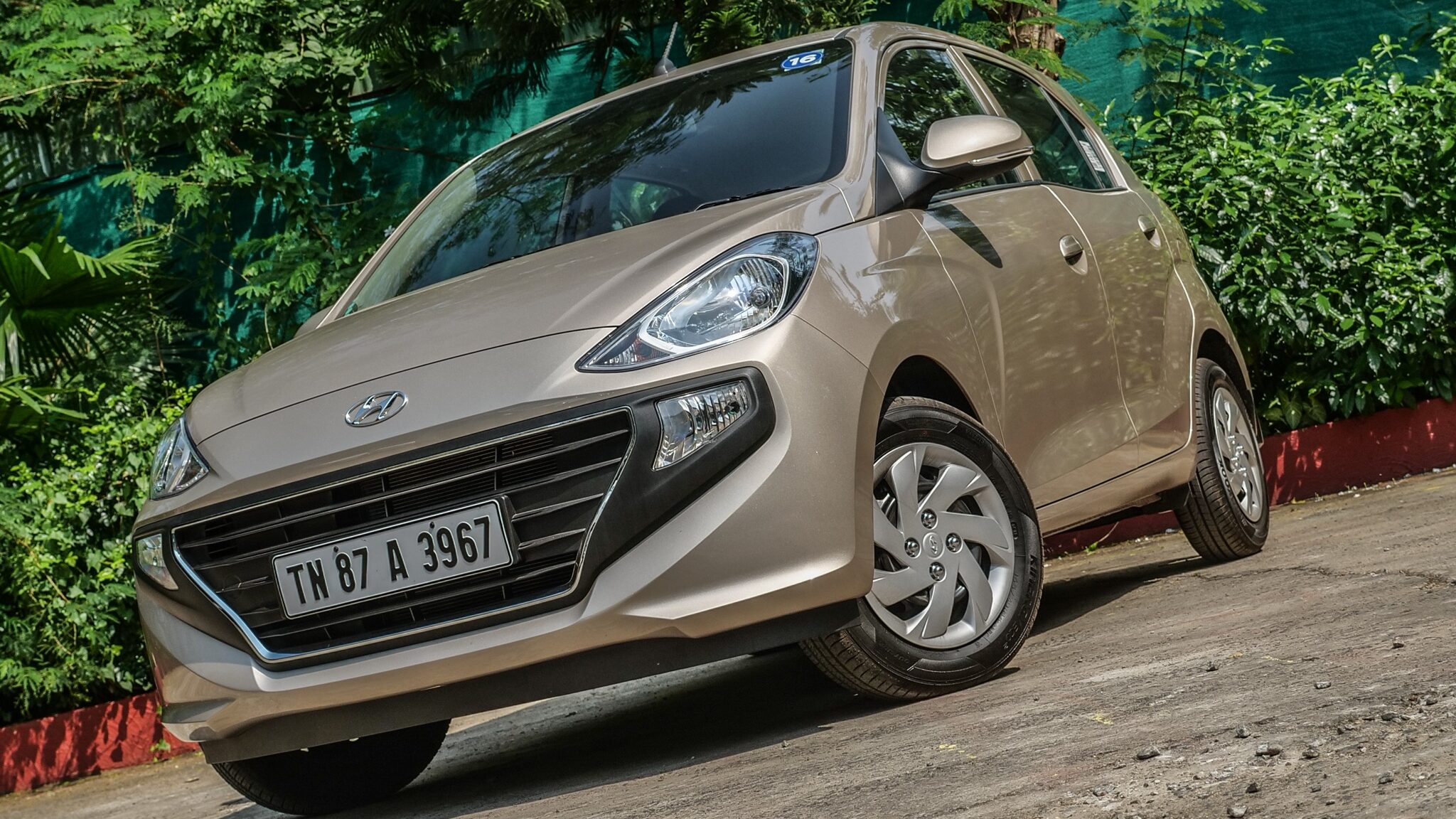
The automotive world is witnessing a fascinating transformation — one shaped not by new inventions alone, but by memories, emotions, and nostalgia. In 2025, the legacy car name revival trend has become a strategic weapon for automakers in India. Heritage nameplates like Tata Sierra, Mahindra Scorpio, and international icons such as the Ford Bronco and Renault Duster have made triumphant returns — not as mere replicas of the past, but as futuristic machines designed for today’s buyers.
Why are brands resurrecting old names instead of creating new ones? The answer lies in consumer psychology, brand recall, and market economics. A name from the past has identity and trust baked into it, eliminating the risk of launching a completely unknown label. In a crowded automotive landscape, nostalgia is now a competitive advantage.
The Emotional Power Behind Legacy Names
Automobiles are not just machines — they are emotional extensions of personal identity. When a consumer buys a car, they are buying:
- A memory
- A lifestyle
- A sense of belonging
Legacy brands carry emotional baggage — the good kind — which connects different generations. A father who once owned the original Tata Sierra feels pride in introducing his son to its 2025 reincarnation. This emotional continuity translates into stronger loyalty and faster purchase decisions.
In marketing, familiarity reduces friction — and nostalgia amplifies trust.
This is why reviving legacy car names is not a trend; it’s a strategy.
Why Automakers Are Reviving Legacy Nameplates
1️⃣ Brand Recall Is Cheaper Than Building a New Identity
Launching a new model name demands:
- Market education
- Advertising blitz
- Trial-building exercises
Reviving a legacy name bypasses these costs. Customers already know the brand — the story is waiting to be continued, not invented.
2️⃣ Emotional Bond = Faster Sales Conversion
Cars like the Ambassador, Sierra, and Gypsy have lived in Indian pop culture through:
- Movies
- Road trips
- Iconic designs
This emotional recall reduces decision-making time.
3️⃣ Distinguishing Identity in a Saturated Market
Today’s automotive market is overloaded with names like “X, Z, Q, Knight, Turbo, Blaze”. A legacy name stands out with history backing it.
4️⃣ Heritage + Technology = Premium Perception
When heritage meets modern tech, consumers perceive the brand as:
- Authentic
- Future-ready
- Trustworthy
This makes even premium pricing acceptable.
Examples of Legacy Revival Done Right
Tata Sierra — The Poster Boy of Revival
The 2025 Tata Sierra blends rugged nostalgia with future-ready features like a:
- Digital cockpit
- EV-ready architecture
- Modern aerodynamic design
This model alone became proof that the legacy car name revival trend works in India.
Mahindra Scorpio
What started as a rugged SUV has evolved into a full-blown identity-driven vehicle brand. Scorpio buyers don’t compare features — they buy attitude.
Renault Duster (Next Gen)
The Duster’s return taps into enthusiasts who still admire its original driving dynamics and durability.
Psychology Behind the Revival Trend
🧠 Familiarity Bias
Consumers choose familiarity when overwhelmed with options. Legacy names feel safe.
🎯 Brand Archetype Continuity
Brands that revive legends instantly activate an existing fan base — a priceless marketing shortcut.
🔥 Cultural Relevance
In India, cars hold emotional value. Revivals allow consumers to relive a family chapter while upgrading to modern tech.
A Global Trend: From Muscle Cars to Electric Legends
International markets already embraced revival strategies:
| Model | Original Era | Revival USP |
|---|---|---|
| Ford Bronco | 1960s | Rugged lifestyle SUV |
| Hummer EV | 2000s | Electric off-road behemoth |
| Dodge Challenger | 1970s | Retro-modern muscle |
India is now catching up — and doing it with its own cultural twist.
How Legacy Revival Impacts the Future Auto Market
🔋 Electrified Classics
The next wave is not just revivals — but EV revivals:
Imagine Sierra EV, Gypsy EV, or an electrified Ambassador.
📈 Faster Market Penetration
Legacy-backed launches convert curiosity into bookings, reducing risk for OEMs.
💎 Value Premium
A revived classic carries brand prestige, enabling higher prices without resistance.
Challenges of Legacy Revivals
Not everything is nostalgia and glory. Challenges include:
- Living up to original expectations
- Avoiding controversial redesigns
- Price sensitivity vs tech investment
- Delivering performance worthy of legacy badges
Bad execution can damage the brand instead of reviving it.
Conclusion: Legacy Revivals Are the Future of Auto Branding
The legacy car name revival trend isn’t a marketing gimmick — it’s a calculated strategic evolution. It merges:
✔️ Emotional heritage
✔️ Modern engineering
✔️ Instant brand acceptance
In a market where customer attention is expensive and competition unforgiving, legacy names offer something new names cannot — trust at first sight.
As more automakers join this movement, India’s streets will soon feature cars that carry stories from the past while driving toward the future.
In cars, just like in life — roots matter.